Rokuro (ロクロ) guide & tips
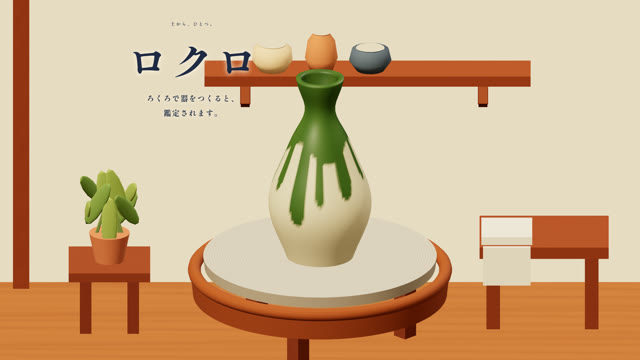
About this game
Trace the spinning clay with your finger to shape a pot. Choose a glaze and fire it in the kiln. The appraiser gives it a name such as “Almost Perfect Jar, attributed to the Urayama Kiln,” an estimated period and a price.
You have 25 seconds to shape it. A collapse doesn't end the game, and collapsed pots still get a price. Sometimes they're worth more.
Play in a browser on your phone or computer. No download or sign-up needed.
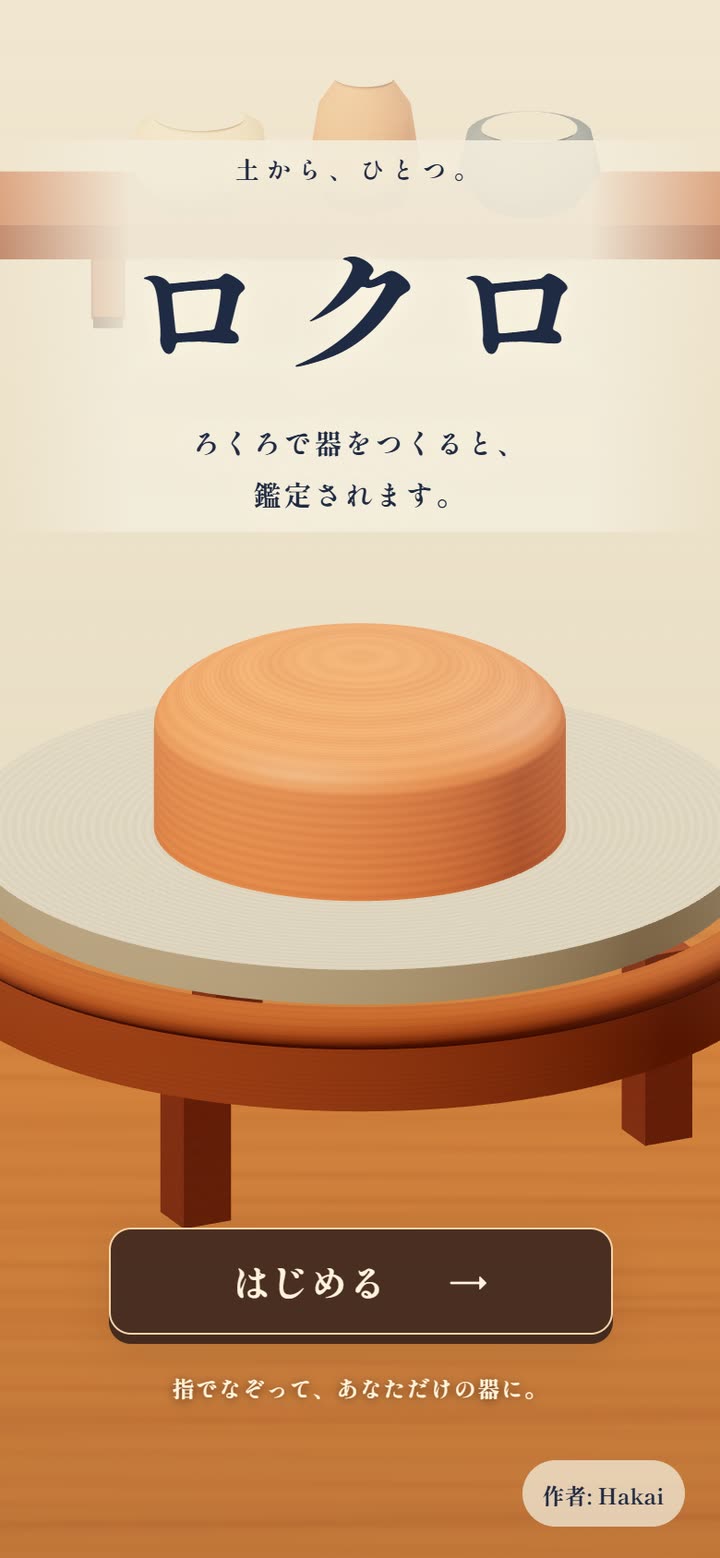
Title screen 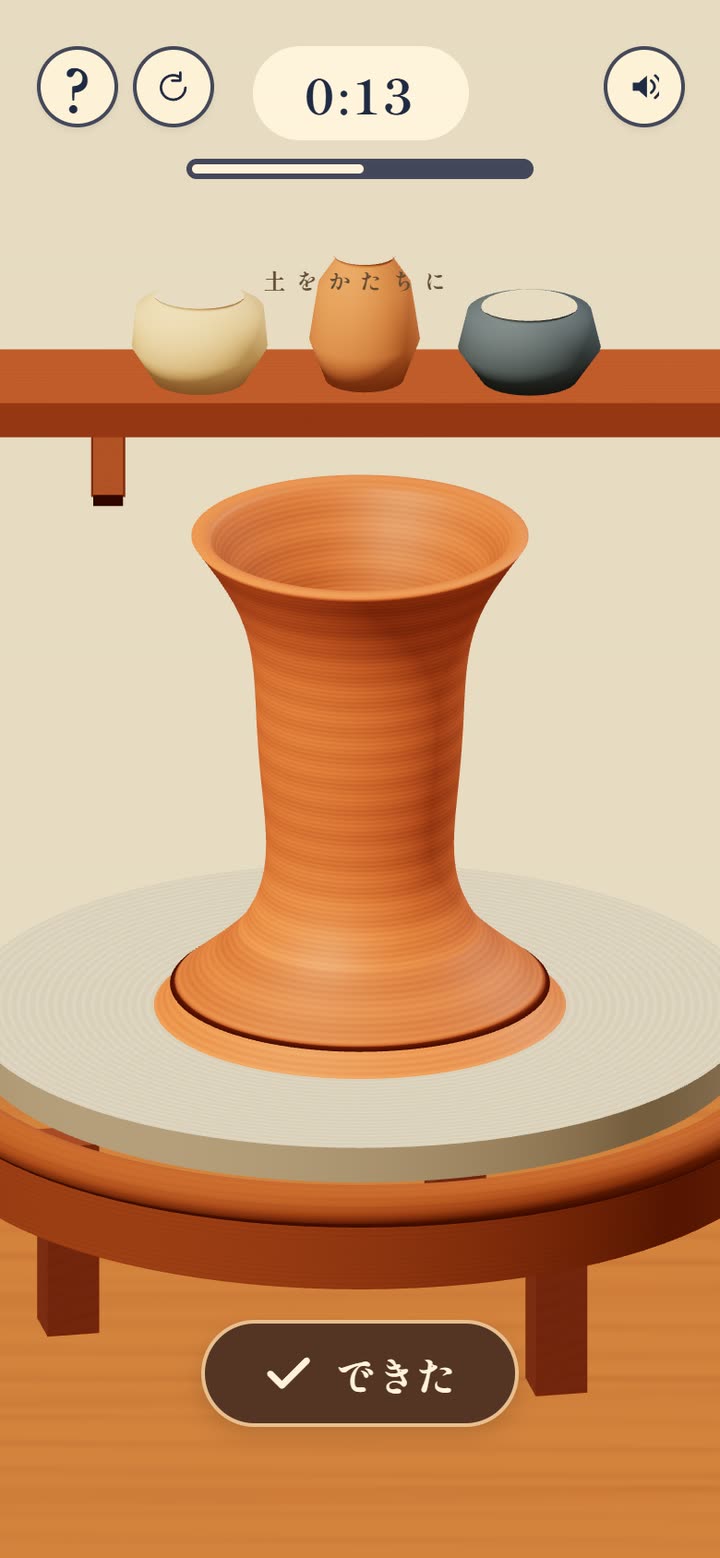
Shaping a pot (13 seconds left) 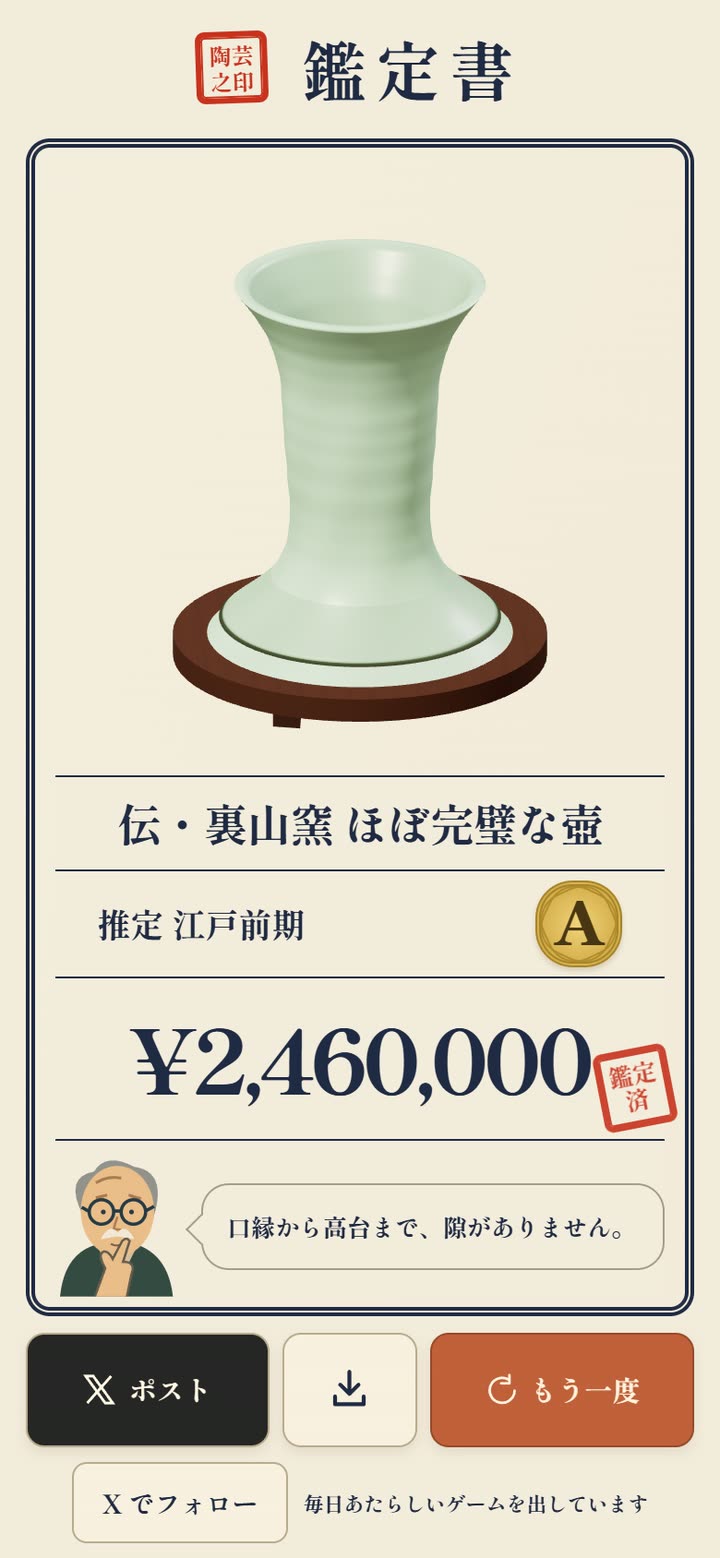
Appraisal: celadon jar, rank A
How to play
- Start
Press the start button to put clay on the wheel. The timer waits until you touch the clay. - Shape the pot
Press and trace the clay wall. Moving up makes it taller; pushing inward narrows it; pulling outward widens it. On PC, hold the left mouse button and move. - Stop when you're done
The shape is set after 25 seconds or when you press “Done.” The wobble warning means it's close to collapsing. - Choose a glaze and fire it
Choose deep green Oribe, dark brown Tenmoku or pale blue-green Celadon, then press the fire button. You can also fire it by pressing the selected glaze again. - Read the appraisal
You'll see the pot's name, estimated period, rank, price and a comment from the appraiser. Post it on X or save the certificate as an image.
Pot types and ranks
The type depends on height, width, the narrowness of the neck and the opening. There are seven types: plate, bowl, teacup, jar, vase, sake flask and cylinder. Vases have the highest base price, followed by jars and sake flasks.
The price rises or falls from the base value according to smoothness and tilt. Glaze also makes a small difference: Oribe is highest, followed by Celadon and Tenmoku. The appraiser's whim, or luck, comes last. Prices range from ¥300 to ¥12,000,000, and the price determines the rank.
| Rank | Appraised value |
|---|---|
| S | ¥5,000,000 or more |
| A | ¥1,000,000 or more |
| B | ¥100,000 or more |
| C | ¥10,000 or more |
| D | Less than ¥10,000 |
Collapsed or badly tilted pots usually lose much of their value. Two or more collapses earn the name “Mysterious Object.” But about one in five collapsed pots is treated as an avant-garde work and gets 3–10 times its base value.
Tips
- ★ Don't put too much weight above the neck
- A narrow neck with a wide shape above it is likely to collapse. When making a vase or sake flask, avoid making the neck too thin.
- ★ Don't just make it taller
- A pot that's too tall for its base or body starts to wobble. Leave some width in the body if you're building upward.
- ★ Ease off when a warning appears
- The wobble warning doesn't mean an immediate collapse. Fixing an overhang or a neck that's too thin gradually calms the wobble. Pressing “Done” there is another option.
- ★ Keep the outline smooth
- Fewer bumps in the outline mean a higher appraisal. The clay also smooths itself a little while you're not touching it.
- ★ Fire it even if it collapses
- A collapsed pot may count as avant-garde. The same shape and glaze always get the same appraisal, so firing it again won't reroll the price.
Common questions
- Q. Is it over if my pot collapses?
- A. No. You can reshape it with the time left, or fire it collapsed and still get an appraisal.
- Q. Can I pause while I think?
- A. Press “?” at the top left to open the pottery guide and pause the timer. Continue to return to the game.
- Q. Does firing the same pot always give the same price?
- A. Yes. The shape, tilt, number of collapses and glaze determine the price.
- Q. Are my pots saved?
- A. Only your highest appraisal and number of plays are saved. To keep a pot, save its appraisal certificate as an image.
The diary entry about making it
I made Rokuro, a pottery game. Even collapsed pots get a price
Guides to my other games
For help or bugs, see the Contact page.
Updated: